Skip to content
ADIMIZE

Proof

Real systems. Real businesses. Real numbers.

This page isn't a highlight reel. It's a snapshot of how the systems you've read about have been applied in real service businesses. No guarantees. No identical outcomes. Just context.

Operators on Adimize · 13

In their words, on camera.

Real owners. Real businesses. Real results — not testimonials we wrote for them.

Tony Nava

Founder, Texas Junkers

He really is in the game. He really does make money and he's for real about it.

Est. 2021 | Seven-Figure Operator | Houston, TX

Bailey Stewart

Owner, Blue Bin Dumpster

I've cut my ad spend down by about 60%. Then the effectiveness of my ads has also almost doubled.

Est. 2024 | $550K+ Annual Revenue | CO

Jeffrey Beasley

Owner, Strongsons Junk Removal

If you guys are on the fence about starting any type of marketing or Google ads, these are your people. I've seen instant results and return on my investment.

Est. 2019 | $1.1M+ Annual Revenue | CA

Andrew Crum

Owner, Camo Crew Responsible Junk Removal

At the end of the year, we've achieved five times return on ad spend throughout the majority of the year.

Coleman Clark

Owner, Clarks Junk Removal

Our sales have doubled — which is pretty remarkable, considering I've only been working with him maybe five months.

Est. 2023 | $400K+ Annual Revenue | RI

Erick Mendoza

Owner, Texas Junk Brothers

I am 17 years old and I own a junk removal company. Working with them has been one of the easiest and best experiences.

Est. 2025 | Startup | TX

Ethan Seidel

Exhale Junk Removal

His advice has been so necessary for our growth and improvement as a company.

James Williams

Owner, JR Junk Removal

They care about you, they communicate well, and they want what's best for your business.

Josiah Ginn

Owner, NexGen Junk Removal

What I love most about him is how quickly he is to answer any of your questions. He's been super helpful on my entrepreneurial journey.

Leo Falardeau

Owner, Drop N Go Haulers

Having Justin in my back pocket as a mentor has been huge. He's been there, done that. He's one of us.

Est. 2022 | $500K+ Annual Revenue | MA

Pablo Ramirez

Owner, Lonestar Junk Removal & Dumpster Rental

We've tripled our profits ever since we started working with Justin and his team.

William Arn

Owner, The Junk Lord Junk Removal

We're spending just about the same amount each month on Google Ads, and we're generating twice the amount of leads, if not more.

Xavier Cantu Jr

Owner, X2C Dumpster Rentals

Scripture tells us to seek wise counsel, and you can't go wrong by seeking Justin.

Inside real ad accounts

Case studies from inside real ad accounts.

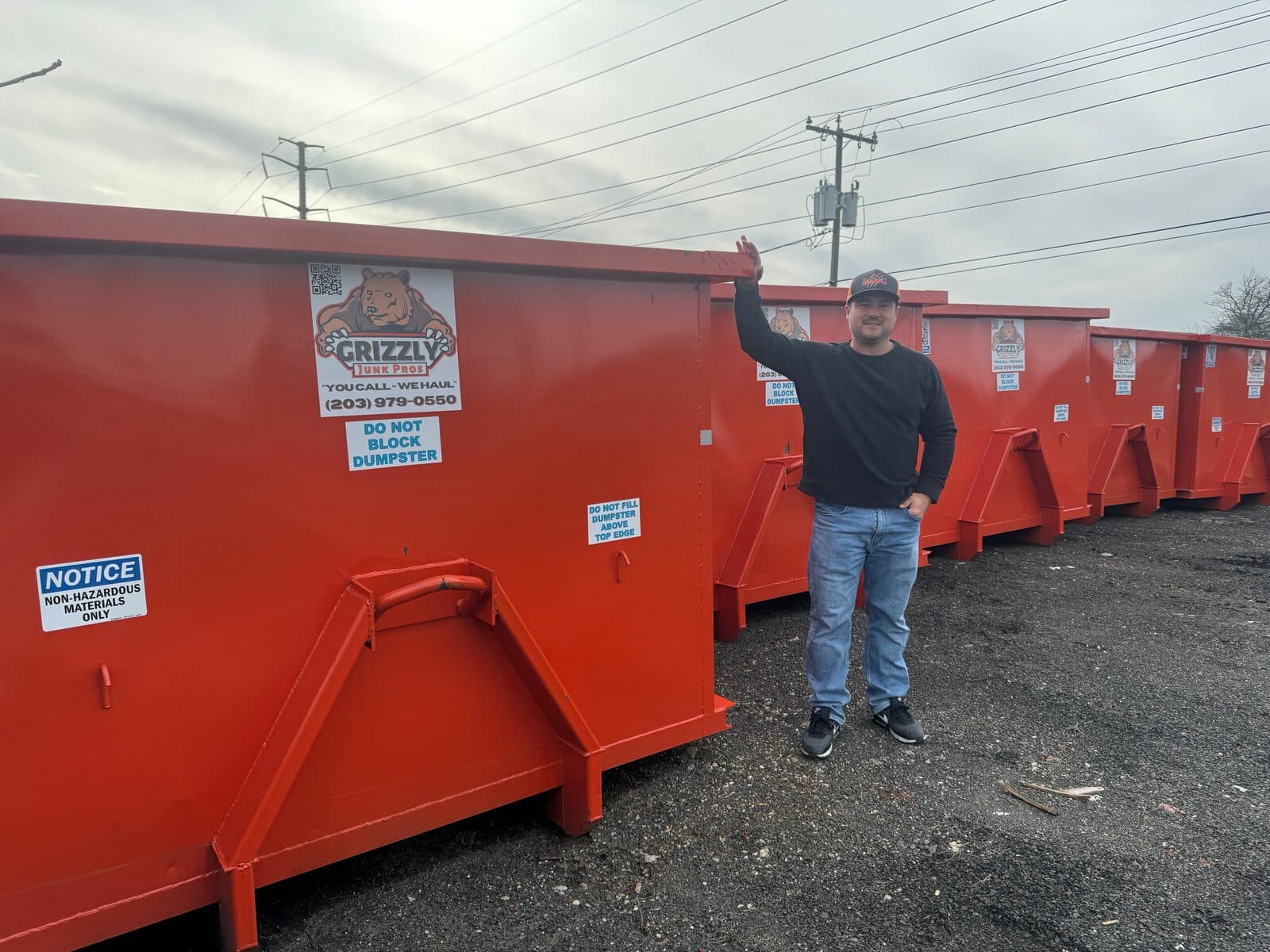
Real numbers, real strategy, real outcomes — not anonymized hypotheticals. Two of these cases are from our own business, Grizzly Junk Pros.

This is the orientation video for everything else on this page.

If you're trying to understand what Adimize actually does — what Google Ads management looks like inside our systems, what the dashboards look like, how we structure campaigns, what kind of results we generate — start here.

What you're watching

A 6-minute walkthrough of an active managed account in Harris County, Texas. The presenter is Connor, who handles Google Ads management at Adimize.

The Numbers (current 30-day window)

  • $5,000 spent
  • 575 conversions (291 phone calls + 284 web form fills)
  • 2,000 clicks
  • $9.28 cost per lead

For context: at the time of the walkthrough, Adimize was managing 25-26 junk removal accounts across the United States. This is one of them.

What the walkthrough covers

  • Geographic targeting (geofencing to specific zip codes within Harris County)
  • Keyword strategy (top performers: "junk removal Houston," "same-day junk removal," "residential junk removal")
  • Ad creative variations (10-15 per campaign for algorithm optimization)
  • The difference between SEO and SEM (paid search)
  • How Google's algorithm learns over time

Why this is the anchor

Most case studies on this page show outcomes — what changed, what dropped, what scaled. This one shows mechanics.

After you watch it, the other case studies make more sense. You'll know what you're looking at when someone shows you a "before/after" — what the dashboard means, what the keywords represent, what good geofencing looks like in practice.

Watch this once. Then explore the deeper case studies below.

Most case studies on this page show what happens when an operator hires Adimize to fix what's broken.

This one shows what happens when we did it — to ourselves.

The Starting Point: Paying $263 Per Lead

For about 10 months, Grizzly Junk Pros worked with another PPC management company on dumpster rental campaigns in Fairfield County, Connecticut.

From July 2023 through April 2024, the account ran like this:

  • $30,000 spent
  • 115 conversions
  • 59 phone calls
  • $263 cost per lead

For dumpster rentals — even high-ticket ones — $263 per lead is unsustainable. It works only if you close at high rates and run high-margin jobs.

What changed when we took over

On May 1, 2024, the account moved over to Adimize systems. Five months later, here's what the same account looked like:

  • $24,000 spent (less than the previous 10 months)
  • 803 conversions
  • 89% reduction in cost per lead
  • 590% more conversions on lower spend

Same business. Same county. Same dumpsters. Same offer.

Different management.

Why this isn't a typical "Adimize beats your old agency" case study

It is — but the receipts are different.

When we tell prospects "we test on our own dollars before we test on yours," this is what we mean. Most agencies talk about results without showing what their own businesses look like under their own management.

We can show you. Right here.

The real signal

The same systems we deployed to fix Grizzly's Fairfield County campaign are the systems we run for every paid ads client at Adimize. The reason we're confident about results isn't because we've memorized a playbook.

It's because we've watched the playbook work on the business that pays our own bills.

This isn't a client account. It's our own — Grizzly Junk Pros, the home service business we still operate.

If everything we say about Adimize is true — that we test our own systems first, that we run advertising for our own dollars before we run it for clients — then it should hold up under scrutiny on our own account.

This is what that looks like.

The Starting Point: Optimizing What Works

Grizzly's dumpster rental campaign in New Haven County, Connecticut runs on the same systems we deploy for every Adimize client.

Geographic targeting locked to a single county. Hyper-focused keyword strategy oriented around dumpster intent specifically — not junk removal, not general waste. Just dumpsters.

The Numbers

Over 30 days, the account spent $2,720 and generated 199 conversions:

  • 193 web form submissions
  • 6 direct phone calls
  • Cost per conversion: $14
  • Top keyword: "dumpster rental near me" — 566 clicks, 122 of those 199 conversions

In a competitive northeast market with high CPCs, $14 per dumpster rental lead is hard to beat — even when you know the operator personally.

Why this matters

When prospects ask us how we know our systems work, this is the most honest answer we can give: we run them on our own business every day.

The same geofencing logic. The same keyword research process. The same campaign structure. The same monthly review cadence.

The real signal

Adimize doesn't operate as a marketing agency that also tests strategies. Grizzly Junk Pros is the proving ground. Every client account benefits from systems that have been refined under the pressure of payroll, slow seasons, and the daily reality of running a service business.

If we wouldn't run it on Grizzly, we don't run it on yours.

This case study shows what happens when an account moves from a generalist PPC management company to one that specializes in junk removal specifically.

This client serves Harris County, Texas — the Houston metro area. Heavy competition. High CPCs. Generic strategies don't survive long.

The Starting Point: $34.35 Per Lead, $52,600 Spent

Before Adimize, the client worked with another PPC management company from March 2023 through June 2024 — about 15 months total. Here's what that 15-month period produced:

  • $52,600 spent
  • 5,038 clicks
  • 1,530 conversions
  • $34.35 cost per conversion

For Harris County, that's not terrible. It's also not great.

What changed when we took over

On June 17, 2024, the account moved to Adimize. Three months later (September 23, 2024), here's the comparison:

  • ~$26,300 spent (about half the previous spend)
  • 7,960 clicks (58% more)
  • 2,430 conversions (59% more leads)
  • 60-70% reduction in cost per conversion

Translation: in three months, we generated more leads than the previous agency did in 15 months — at roughly half the spend.

Why this isn't surprising to us

Generalist PPC agencies optimize for clicks and impressions. They show their clients dashboards full of activity. The metrics look good in isolation.

But junk removal accounts are different. They need:

  • Precise keyword targeting that filters out non-buying traffic ("waste management," "trash disposal")
  • Geographic precision that doesn't waste spend on outside-area searches
  • Job-type segmentation so high-ROI work (cleanouts, commercial) gets prioritized
  • Active monthly review of search terms and negative keywords

These aren't shortcuts. They're operational discipline that compounds over time.

The real signal

Three months in, the account is still optimizing. Google's algorithm continues to learn. Cost per conversion will likely settle even lower as the account matures.

That's what happens when ad management is a specialty, not a service line.

This case study shows what happens when a Florida-based account shifts from guesswork to strategy — and from generic advice to disciplined execution.

Florida is a tough state to advertise in. Competition is heavy, CPCs are high, and small mistakes get expensive fast.

This client originally launched their own ads after receiving sub-professional advice. The result was predictable.

The Starting Point: High Cost, Little Margin

When the client came to us, cost per conversion was sitting around $130.

At that level:

  • Profit margin is thin
  • Closing pressure is high
  • Scaling becomes risky

The account wasn't broken — it was undirected.

What we focused on first

The first goal wasn't volume. It was efficiency and intent.

Early on, the account was restructured to tighten targeting and improve conversion quality. By February:

  • Cost per conversion dropped to about $80
  • Conversion rate climbed to an unusually high level

For context, most ad platforms convert between 1–3%. In home services, anything above 3–5% is considered strong.

This account was converting at nearly double that.

What changed as the strategy matured

By June, cost per conversion dropped further — to around $60 — while conversion rate held near 8%.

That level of efficiency is rare, especially in a competitive Florida market.

One of the biggest shifts was an aggressive focus on location-based keywords.

Searches like:

  • "junk removal Naples"
  • city + service combinations

These keywords signal high intent. They're also the same keywords large national brands bid on heavily because they convert.

By leaning into these location terms, nearly half of the client's conversions began coming from a single, high-quality keyword cluster.

Expanding into higher-ROI work

As performance stabilized, the strategy expanded beyond residential junk removal.

Commercial intent — including construction debris removal — was layered in to improve job size and overall ROI.

Even as budget increased and new job types were added:

  • Cost per conversion held around $59
  • Conversion quality remained strong

The real signal

This account didn't improve because of one tweak.

It improved because targeting, location dominance, and job intent were aligned — and because changes were made methodically, not reactively.

In one of the most competitive states to advertise in, the client moved from barely workable numbers to a stable, scalable acquisition engine built around high-intent searches.

This case study shows what happens when advertising strategy is aligned with what a business actually needs to sell — not just what it can sell.

This client is based on the East Coast and runs a large dumpster rental operation. While they also offer junk removal, dumpsters are their priority and primary revenue driver.

That distinction matters.

The Starting Point: Demand Without Direction

When this client came to us, ads were running across both junk removal and dumpster-related searches.

On paper, performance looked fine. But in reality, demand wasn't being directed toward the asset that mattered most: dumpster inventory sitting on the lot.

This is a common issue for hybrid businesses.

The problem wasn't lack of leads — it was misalignment.

What we focused on first

The first step wasn't spending more. It was slowing things down intentionally.

Budget was immediately reduced so performance could be evaluated without unnecessary spend. The goal was to keep leads flowing while identifying exactly what the market was responding to.

Once that picture was clear, the strategy shifted.

Instead of competing for junk-heavy traffic, the account was rebuilt around pure dumpster intent.

That meant:

  • Prioritizing dumpster rental keywords
  • De-emphasizing junk removal searches
  • Directing demand toward inventory that needed to move

If you have 100 dumpsters on the lot, that's where the ads should point.

What changed

In March, cost per conversion sat around $32 with higher overall spend.

By April:

  • Cost per conversion dropped to $27
  • Monthly spend was reduced to about $4,000

In May, something more important happened.

The client sold out of dumpsters.

Because inventory was gone, ad spend dropped further — to roughly $3,000 — while revenue peaked.

Two months earlier, the client spent nearly double and still had inventory sitting. Now, they were fully booked.

The real signal

This wasn't a one-time spike.

The strategy held. The client continues to sell out regularly and, at times, has to pause ads entirely because there are no dumpsters left to rent.

That's a good problem to have.

This case study is a clear example of how small, deliberate pivots — especially for businesses offering multiple services — can unlock outsized ROI when advertising is aligned with capacity, inventory, and priorities, not just lead volume.

This case study shows what real scaling looks like when it's done deliberately — not by throwing more money at ads, but by reshaping what the account converts for over time.

This client has been with us for two full years. They came to us as a solid company with strong operations and good overall ROI — but their Google Ads weren't contributing meaningfully to growth.

They didn't need leads. They needed leverage.

The Starting Point: Efficient, but Limited

When this client signed on in early 2024, they were spending roughly $3,000–$3,700 per month.

Cost per conversion sat around $44, which is objectively good.

But the issue wasn't cost.

If you looked at the keywords driving those conversions, most of the traffic was coming from:

  • Appliance pickups
  • Smaller junk removal jobs
  • Low-ROI services that don't scale well — especially in winter

Nothing was "wrong." But nothing was built for growth.

What we focused on first

The initial focus wasn't scaling spend. It was changing the type of work the ads were selling.

Instead of competing for small, transactional jobs, the account was rebuilt around high-ROI services, including:

  • House cleanouts
  • Estate cleanouts
  • Storage unit cleanouts
  • Specialty and demolition-related removals

These jobs don't just convert — they move revenue.

Keyword strategy was expanded aggressively, with hundreds of tightly grouped keywords and multiple ad groups per service to control intent and cost.

What changed over time

As traffic shifted, performance followed.

At various points over the two-year period:

  • Cost per conversion dropped into the $30s
  • In some months, costs fell even lower depending on job mix

More importantly, confidence increased.

As the account proved it could consistently generate high-value work, spend increased gradually:

  • From ~$3,000/month
  • To $14,000/month
  • To $30,000+ per month

All while cost per conversion held steady.

Two years later — despite inflation and rising CPCs of 10–18% annually — the account is converting at roughly $41 per call, lower than where it started.

Why costs fluctuate — and why that's intentional

You'll notice cost per conversion isn't flat month to month.

That's by design.

As bidding shifts toward:

  • Demolition
  • Specialty removals
  • Large cleanouts

Costs move — but job size and ROI increase.

This isn't about chasing the cheapest lead. It's about bidding intentionally on work that supports scale.

The real signal

This client didn't scale because ads were "optimized."

They scaled because:

  • Traffic was shifted toward high-value services
  • Spend increased only after ROI was proven
  • Winter strategies protected efficiency during slower months

Today, this account runs tens of thousands per month with the same discipline it started with at $3,000.

That's what sustainable scaling actually looks like.

This case study shows what happens when scaling isn't driven by spend — but by changing the type of work an account converts for.

This client has been with us for nearly two years. They came in as a strong operator with a solid business, but their Google Ads weren't producing meaningful ROI.

They didn't need "more leads." They needed better ones.

The Starting Point: Efficient, But Capped

In early 2024, the client was spending about $3,700 per month.

Cost per conversion: ~$45

Total conversions: 83

ROI: limited

On the surface, the numbers looked fine.

But when you looked deeper, almost all of the traffic was coming from generic junk removal searches:

  • "junk removal"
  • "someone to pick up junk"
  • "take away my junk"

These jobs convert — but they don't scale.

That's why spend stayed low.

What we focused on first

The initial strategy wasn't increasing budget. It was rebuilding core keyword targeting.

The account was restructured around high-ROI services, including:

  • House cleanouts
  • Estate cleanouts
  • Storage unit cleanouts
  • Commercial and specialty removals

These are jobs that can be worth thousands, not hundreds.

Keyword coverage expanded aggressively, with:

  • Hundreds of tightly grouped keywords
  • Multiple ad groups per service
  • Intent controlled at the job-type level

This wasn't about cheaper leads. It was about higher return per lead.

What changed over time

As job mix improved, confidence followed.

Gradually, spend increased:

  • From ~$3,700/month
  • To $14,000/month
  • To $30,000/month

Along with that:

  • Monthly leads grew from 83 to over 700
  • Cost per conversion held steady

Despite inflation and rising CPCs, the account is now converting at about $3 less per lead than it was two years ago.

That's not common. That's controlled scaling.

Why lead quality stayed high

Paying ~$40 per lead only works if the jobs justify it.

In this account, they do.

A large share of conversions now come from:

  • House cleanout keywords
  • Estate cleanout services
  • Storage unit cleanouts

Many of these keywords convert in the $17–$30 range.

Even if only a portion of those leads close, ROI remains strong because job size carries the weight.

This is why keyword-level ROI is reviewed constantly — not just cost.

The real signal

Two years ago, this account couldn't justify spending more than $3,000 per month.

Today, it confidently spends $30,000 per month — with:

  • Better job mix
  • Higher total revenue
  • Lower cost per conversion than where it started

That didn't happen because of a trick.

It happened because ads were rebuilt around core services that scale, and budget only increased after ROI was proven.

This is what long-term growth looks like when it's engineered — not forced.

This case study shows what happens when an account stops paying for bad economics and starts bidding around actual ROI.

When most clients come to us, the first issue isn't volume — it's cost per lead.

You don't close every lead. So when a lead costs $365 and turns into a couch pickup, the math simply doesn't work.

That's where this account started.

The Starting Point: Unsustainable Lead Costs

When this client came in, cost per lead was sitting around $365.

At that level:

  • Even good close rates don't save you
  • Small jobs lose money
  • Scaling is impossible

The account needed a reset — fast.

What we focused on first

The initial priority was twofold:

  • Lower the average cost per lead
  • Shift traffic toward high-ROI work

That meant moving away from low-value jobs and toward keywords tied to:

  • House cleanouts
  • Commercial jobs
  • Larger, multi-hour services

Early changes produced immediate movement.

What changed in the first 90 days

By December, cost per lead dropped sharply — down to about $51.

Still high depending on job type, but dramatically better than $365.

From there, optimization continued.

By January:

  • Cost per lead dropped to $15
  • February held in the $15–$20 range

That range became the account's true average, based on market conditions and keyword mix.

At that level, the account had flexibility — not pressure.

Why low cost alone isn't the goal

A $15 lead only matters if it's attached to the right job.

At higher average lead costs (say $50+), strategy narrows — you only bid on jobs that justify it.

But at $15–$20 per lead, options open up.

That's why this account was able to test and rotate aggressively.

Ongoing strategy: Test, kill, rebuild

This account wasn't "set and forget."

Over time, multiple campaigns were built and tested, including:

  • Cleanouts
  • Light demolition
  • Shed removal
  • Website traffic and support campaigns

When something didn't perform, it was replaced with fresh keyword research and new structure.

This constant refinement is how true ROI is found — not by forcing what isn't working.

Keyword-level ROI (where it really matters)

The biggest wins came from high-value intent keywords such as:

  • Home junk removal
  • Construction debris removal
  • Apartment cleanout services

One construction debris lead alone turned into a multi-thousand-dollar job, while costing only $20 to acquire.

Even when a lead doesn't convert, that math still works.

The real signal

This account didn't succeed because costs dropped once.

It succeeded because:

  • Lead cost was driven down to a sustainable average
  • Traffic was aligned with high-ROI services
  • Campaigns were continuously tested and rebuilt

That's how an account moves from bleeding money to producing real, repeatable return.

This case study shows what happens when a poorly structured account is rebuilt around conversion quality, commercial intent, and capacity awareness.

This client is based in the Midwest and launched their Google Ads on their own in December. They had the right intention — but the execution wasn't there.

The Starting Point: High Cost, Low Conversion Rate

When the account came to us:

  • Cost per conversion was around $61
  • Monthly spend was just under $2,000
  • Conversion rate was well below what it should be

For most home service businesses, a healthy conversion rate sits around 3–4% when ads and website are aligned.

When that number is significantly lower, it's a clear signal that something is broken — either in targeting, structure, or messaging.

In this case, it was all three.

What we focused on first

The first priority was fixing the fundamentals:

  • Tightening targeting
  • Correcting keyword intent
  • Aligning ads with what the business actually wanted to book

Within two months, the impact was immediate.

By February:

  • Conversion rate increased to 5%
  • Cost per conversion dropped to about $17

All of this happened during winter, which makes the result even more meaningful.

What changed once the account stabilized

Performance held steady.

Even as the months progressed:

  • Cost per conversion stayed near $17
  • Conversion rate remained healthy
  • Budget was increased during winter because ROI justified it

This client consistently began landing commercial jobs, which changed the economics entirely.

In fact, this account routinely produces 5–6x ROI, which is well above the typical target of 2–3x.

Why ROI stayed strong

A big part of this success came down to what the account was bidding on.

High-ROI keywords became the foundation, including:

  • Debris removal
  • Storage unit cleanouts
  • Apartment and property cleanouts
  • Commercial junk removal

One apartment cleanout tied to an eviction can easily be a $4,000 job. One recent commercial job booked for around $20,000.

At that point, ad costs are no longer the concern.

Capacity matters, too

More leads don't always mean better outcomes.

In this case, the client reached a point where:

  • Calendar was full
  • Staff capacity was maxed out

Instead of forcing growth, the strategy shifted to maintenance mode:

  • Budget was adjusted downward
  • Performance was preserved
  • Planning began around hiring and future scale

That restraint protected service quality and profitability.

The real signal

Two months after launch:

  • Cost per conversion dropped by more than 70%
  • Conversion rate exceeded benchmarks
  • Commercial and high-ticket jobs became consistent

This account didn't improve because of luck.

It improved because:

  • Targeting was rebuilt correctly
  • Job economics were prioritized
  • Spend matched capacity, not ego

That's how a struggling launch turns into a dependable acquisition engine — even in winter.

This case study shows what happens when a client needs results immediately, not "after the account learns."

The client launched a brand-new Google Ads account, which effectively resets all performance data. In most cases, that means higher early costs and unstable efficiency.

That's exactly what we saw.

Early conversions were coming in at $243 per phone call — a number that simply doesn't work for most service businesses. At that level, there's no margin, no room for error, and no path to scale.

Instead of waiting, the account was immediately audited and rebuilt.

What we focused on first

The initial goal wasn't just lowering cost — it was fixing what the account was converting for.

Broad "junk hauling" searches were driving smaller pickup jobs. Even when those calls converted, the ROI wasn't there.

So the strategy shifted.

Keyword targeting was rebuilt around high-value work, including:

  • Hoarder cleanouts
  • Estate and house cleanouts
  • Garden shed removal
  • Heavy and full-load junk removal
  • Basement and large-scale hauling

These were keywords the account hadn't converted for previously — but they're the jobs that actually move revenue.

What changed in one month

Through focused keyword research, competitor gap analysis, and ongoing optimization:

  • Cost per phone call dropped from $243 to $95 in 30 days
  • Low-ROI pickup jobs were filtered out
  • Higher-ticket cleanouts became the primary drivers of performance

The trajectory continued downward, with expectations to stabilize closer to $50–$70 per call as the account matured.

The real signal

The most important outcome wasn't a dashboard metric.

After seeing the quality of jobs coming in and the improvement in ROI, the client asked to increase their budget to $4,500 the following month.

That's the difference between ads that "run" and ads that work.

This case study is a clear example of how fast results are possible when optimization is driven by job economics, not just lead volume — and when decisions are made quickly instead of waiting for problems to fix themselves.

This case study shows what happens when advertising strategy is built around geography, seasonality, and job type — not a generic playbook.

This client operates in a small East Coast market with limited search volume, where winter conditions make efficiency even harder to maintain.

That's exactly where this account started.

The client was spending about $2,000 per month with a cost per conversion of $108 — a level that leaves little margin unless every job closes at a high ticket.

Instead of forcing volume, the strategy shifted.

What we focused on first

The priority wasn't spending more.

It was aligning the account with what actually works in this region during winter.

Broad strategies that perform well in warmer, higher-volume markets don't translate here. On the East Coast in winter, demand shifts.

The focus moved toward job types that still exist when weather slows everything else:

  • Storage unit cleanouts
  • Commercial and recurring services
  • Work that produces consistent revenue despite seasonality

At the same time, the client's budget was reduced to conserve cash while the right pockets of traffic were identified.

What changed

In January, cost per conversion dropped modestly to $98 — not dramatic, but intentional.

By February:

  • Cost per conversion fell to $65
  • Job quality improved materially
  • Efficiency held even as winter conditions persisted

As search volume increased in the summer:

  • Costs stabilized near $60
  • Monthly budget held around $3,000
  • Performance remained strong despite rising CPCs from inflation

The hidden fix

One of the biggest issues uncovered was overuse of broad match keywords, especially damaging in winter.

Broad match was attracting waste, trash, and vehicle-related searches — cheaper clicks that rarely convert into the jobs this client actually wanted.

The account was rebuilt using phrase and exact match targeting, paired with aggressive search-term review and ongoing negative keyword maintenance to keep the account focused.

The real signal

Even years later, with inflation pushing ad costs higher, this client's winter cost per conversion remains well below where they started, while overall conversion volume has increased.

This is what happens when advertising is tailored to real-world constraints — not ideal conditions — and when strategy is built around where the business operates, not just how ads are run.

This case study is a clean example of how winter advertising should actually work for junk removal businesses.

Junk removal is seasonal — everyone knows that. What most businesses get wrong is how they respond to it.

Winter strategy isn't about pushing harder. It's about changing what you bid on.

The Starting Point: Winter Pressure, Limited Demand

As winter set in, this client faced the same reality most operators do:

  • Less residential junk removal demand
  • Higher pressure on margins
  • Fewer opportunities to "make it up on volume"

Running the same junk-heavy strategy into winter would have burned cash.

So the strategy shifted.

What we focused on first

Instead of chasing cheaper, lower-value junk removal leads, the account was rebuilt around high-ROI, less seasonal work.

The primary focus became:

  • Storage unit cleanouts
  • Commercial debris removal
  • House and hoarder cleanouts

At the time of review, the client had five active storage unit leads alone — jobs that can pay for an entire month of ads with just one or two closes.

Winter math that actually works

During winter, the client's ad spend was intentionally metered.

Instead of overspending, budget was cut to around $1,400 for the month.

Even with a slightly higher cost per conversion:

  • Closing just two storage unit cleanouts easily delivers 3x ROI
  • One strong commercial job can cover the entire month

That's the difference between surviving winter and bleeding through it.

Why costs are higher — and why that's okay

Commercial and specialty jobs cost more per lead than basic junk removal.

That's expected.

There aren't thousands of storage unit cleanouts happening every month — but the ones that do exist pay significantly more.

Higher intent.

Higher job value.

Better economics.

That's the tradeoff we make intentionally during winter.

Controlling demand through structure

This account isn't guessing.

Campaigns are built to control what type of leads come in:

  • Hoarder cleanouts received dedicated campaigns because of high local demand
  • House cleanouts, estate work, and evictions were prioritized
  • Seasonal services like hot tub removal were added when relevant
  • Appliance removal was tested only when cost stayed extremely low

This variety isn't accidental — it's engineered through monthly keyword research and active management.

Structure matters more than spend

For example, just one house cleanout campaign:

  • Contains 7 ad groups
  • Covers 100+ tightly targeted keywords
  • Captures every variation of high-intent search in that market

That level of structure is what keeps performance balanced — even when demand fluctuates.

The real signal

This client didn't "power through" winter.

They stayed profitable because:

  • Spend was reduced intentionally
  • Job mix shifted toward high-ROI work
  • Campaigns were structured to control demand, not chase volume

That's what a real winter strategy looks like.

Not more ads.

Better decisions.

Jeffrey Beasley, Owner · Strong Sons Junk Removal

This case study highlights one of the most common — and expensive — mistakes service businesses make during the winter: listening to Google Ads recommendations without understanding the consequences.

Winter is hard for almost everyone in home services. Even in warmer climates, demand softens and margins get tighter.

That's why winter strategy isn't about chasing volume. It's about controlling lead cost and protecting ROI.

This client was doing exactly that — until a Google Ads rep got involved.

The Starting Point: Stable, Profitable Winter Performance

Before changes were made, this account was in a good place.

  • Cost per conversion was holding around $65
  • Conversion volume was healthy for winter
  • Job mix leaned toward higher-ROI cleanouts and commercial work
  • The client was even discussing raising their budget

The strategy was working.

What went wrong

Like many business owners, the client received a call from a Google Ads representative.

These reps often position themselves as advisors — but they are salespeople, not account strategists.

In this case, the rep spoke with a junior employee and recommended a series of "optimizations," including:

  • Switching keywords to broad match
  • Turning on AI Search Max
  • Applying multiple automated recommendations
  • Increasing budget to "capture missed conversions"

On paper, these changes look harmless. In practice, they're dangerous.

The damage caused by automated recommendations

Once those changes were applied, the account began attracting:

  • Waste management searches
  • Trash and disposal terms
  • Low-intent, non-buying traffic

These clicks are cheaper — but they don't turn into paying customers.

Worse, many of these changes happen quietly. Google doesn't clearly show how campaigns are being altered once AI Search Max is enabled.

The result:

  • Loss of control
  • Wasted spend
  • Rising cost per conversion

Undoing this isn't instant. It takes time to comb through change history, remove bad keywords, and rebuild structure.

The corrective action

Once the issue was identified, the strategy shifted to damage control.

  • Broad match keywords were removed
  • AI-driven changes were rolled back
  • Search terms were cleaned aggressively
  • Budget was intentionally reduced to prevent further waste

For this month, spend was pulled back to about $700 — not because the account couldn't perform, but because protecting capital mattered more than chasing volume after disruption.

Cost per conversion temporarily increased as the account stabilized.

That tradeoff was intentional.

The real lesson

Google Ads reps are not neutral advisors.

Their goal is to increase spend — not protect your ROI.

Features like:

  • Broad match everywhere
  • AI Search Max
  • Automated recommendations

often benefit Google far more than the advertiser — especially in seasonal, margin-sensitive businesses.

This case study is a clear example of why strategy beats automation, and why accounts need hands-on management — especially during winter.

Sometimes the smartest move isn't spending more. It's knowing when to pull back, fix the foundation, and protect the business.

This case study shows what a brand-new account looks like in the first two weeks — before Google's algorithm has fully learned the keywords, the geography, or the conversion patterns.

This client serves four specific cities across Connecticut and New York: White Plains, Stamford, Norwalk, and Darien. They wanted hyper-targeted ads — only showing up in those cities, no surrounding areas, no spillover.

The Starting Point

The account launched on September 22nd. By October 3rd — about two weeks in — we had spent $700 and generated 25 leads at a $37.54 cost per conversion.

For most service businesses, that number works. For Adimize, it's just the starting point.

What we focused on first

The campaign was built around three things:

  • Geofencing precision — only showing in the specific cities the client serves
  • High-intent keywords — "junk removal services" was the top performer, generating most of the traffic
  • Multiple ad variations — 10-15 versions per ad group so Google's algorithm could optimize

When you watch enough new accounts launch, you learn that the first 30 days is mostly Google figuring out what works. The patterns are there from week one — but they don't crystallize until weeks 4-6.

What's expected from here

If you've watched the other case studies on this page, you know where this is headed. Most of our managed accounts settle into a $15–$25 cost per conversion range as the algorithm matures.

The real signal

The strongest indicator isn't the cost number itself — it's the trajectory. At $37.54 in the first two weeks, with the geofence dialed in and the keywords converting, this account is on the standard path: another 30-60 days of optimization will bring it well below $25 per lead, and likely lower.

This isn't a finished case study. It's a live one — the kind that shows what every account looks like before it becomes a finished case study.

Want to see what this would look like for your business?

From the back of the book

What operators say about working with Justin.

From the praise for Beyond Breaking Even — written by operators who've worked with Justin directly.

I’ve spent time and had enough real conversations with Justin to know this isn’t theory, it’s how he actually operates. He’s built a business that runs without him, which is something most owners talk about but never pull off, either because they don’t have the guts or the know-how. That doesn’t happen by accident, it’s built on systems, processes, and discipline. What he teaches is the antidote to vague business advice and shows what it really takes to build something that doesn’t rely on you to survive.

Casey Walsh

Founder & CEO, Stand Up Guys Junk Removal

Est. 2008 | $10M+ Annual Revenue | GA

Justin writes like a fellow entrepreneur who's lived through it. His straightforward approach, backed by real experience, makes complicated financial and operational strategies simple and actionable. You can tell he's been in the trenches — and that's what makes this book stand out.

Barry Hartman

Co-Founder & CEO, 505-Junk

Est. 2011 | $6M+ Annual Revenue | BC

Justin Hubbard is someone who doesn't just talk about the future — he builds with it. His attention to emerging trends like AI, paired with real-world success in the dumpster industry, makes his insights both forward-thinking and grounded in practical experience.

Jake Still

Co-Founder, Junk Rescue

Est. 2016 | $4M+ Annual Revenue | NJ

Beyond Breaking Even is my story in action. When I met Justin, I had a pickup, a trailer, and four dumpsters. Today I've got a hook-lift truck, thirty dumpsters, and a second truck on the way. His strategies helped me more than double my business and gave me the clarity to run it with confidence.

Leo Falardeau

Owner, Drop N Go Haulers

Est. 2022 | $500K+ Annual Revenue | MA

In an industry flooded with get-rich-quick schemes and revenue braggarts, Justin cuts through the noise with honesty and serious expertise. This isn't another flashy course promising millions — it's a real roadmap from someone who's actually built a profitable business. This book doesn't just show you how to run a service business. It shows you how to think like an entrepreneur in any industry.

Matt Beasley

Co-Owner, Aloha Junk Man

Est. 2018 | $1.6M+ Annual Revenue | HI

I consider Justin to be the foremost expert in the dumpster rental industry. He's been in the game longer than almost anybody, adapted to change, implemented new technology, and — most importantly — structured his business so it can operate entirely without him. Even if that's not your goal, it's important to build a business that can run without you. Justin has mastered this, and I can speak from experience when I say it's much easier said than done.

Bailey Stewart

Owner, Blue Bin Dumpster

Est. 2024 | $550K+ Annual Revenue | CO

Justin has more wisdom in the service industry than most people who've been in the game longer than him. I've been in the hauling and waste industry for over ten years, most of it at a high level — and I've learned a lot from his unique, common-sense approach to business. This book is a tangible roadmap for fine-tuning existing operations or laying the right foundation for new ventures.

Brett Robinson

Owner, Greenwave Waste Solutions

Est. 2025 | 10+ Years Industry Experience | AZ

Justin writes like he's right there growing the business with you. His experience and no-nonsense approach make this book both relatable and actionable.

Rob Paradis

Founder & President, Junk Bear

Est. 2019 | Multi-Seven-Figure Operation | CT

Justin breaks down complex marketing strategies into clear, practical steps you can implement immediately. His real-world insights and straightforward style make this a must-read for any service business owner looking to drive results.

Kyle McAnaugh

Owner, Junk Rescue

Est. 2017 | Seven-Figure Operation | AZ

Justin writes from true, successful experience — zero theoretical anecdotes. He shows service owners how to move from survival mode to building a business that gives back time, profit, and freedom.

Eamonn Duignan

Founder, Green Coast Rubbish

Est. 2006 | Seven-Figure Operation | BC

A must-read for any service business owner. Justin gives you pragmatic guidance you can use immediately. The best business book I've read in a long time.

Coleman Clark

Owner, Clarks Junk Removal

Est. 2023 | $400K+ Annual Revenue | RI

This book is rare — it blends lived experience with actionable strategies. Hubbard not only explains what to do, he shows why it matters and how to make it work in the real world.

Mike Linebarger

Co-Owner, Exhale Junk Removal

Est. 2023 | $250K+ Annual Revenue | PA

Just when I thought we were going to give up, I stumbled across one of Justin's newsletters. Before I knew it we were emailing back and forth. I have learned so much from this incredible person. Beyond Breaking Even is a must-have — it will not only help you grow and scale your company, but take it to places you didn't think were possible.

Erick R. Mendoza

Owner, Texas Junk Brothers

Est. 2025 | Startup | TX

Justin is an entrepreneur you want to learn from. He started from the bottom and made it. He's genuinely passionate about helping others.

Jeffrey Beasley

Owner, Strongsons Junk Removal

Est. 2019 | $1.1M+ Annual Revenue | CA

Getting advice from Justin — someone with real-world experience and the scars to prove it — helped me run my company more efficiently and profitably, without any of the usual crap. If you own a service-based business, this book will pay for itself a hundred times over.

Royce Porkert

Owner, Junk Holler

Est. 2012 | $500K+ Annual Revenue | ID

Justin's book is modern, relevant, and truly needed. It's perfect for anyone seeking clear direction on how to run and grow a business. His personal experience is proof that the steps he outlines genuinely work.

Taneesha Maxwell

Owner, T Maxwell Junk Removal & Cleanouts

Est. 2018 | PA

This book hits every stage of the business journey — from the basics you need when just getting started to the challenges we all face when it's time to scale. If you want to grow, make real money, and build a business that runs like a machine, you need systems, guidance, structure, and mentorship. This book delivers all of that. Justin's the real deal.

Mario Ortega

Owner, 2Mexicans Junk Removal

Est. 2023 | $400K+ Annual Revenue | TX

Justin crafted a real-world guide to building a business in the service industry. You can tell it's written by someone who's actually been there before. Every page is packed with practical insight, hard-earned lessons, and strategies that actually work. It's an invaluable resource for anyone serious about starting or scaling in this space.

Mike Ferrari

Owner, All Out Junk Removal & Demolition

Est. 2022 | Multi-Seven-Figure Operation | FL

Justin is one of a kind in an industry full of people who take more than they give. He sees the bigger picture when it comes to collaboration and supports young entrepreneurs behind the scenes with very little credit. Justin, thank you for being part of our journey and showing us what it looks like to give back to others. We hope to lead by your example for as long as we're in business.

Tanner Hurst

Co-Founder, JT Junk Solutions

Est. 2022 | $300K+ Annual Revenue | 349,000 Social Followers

The proving ground

Grizzly Junk Pros isn't a case study.

Grizzly Junk Pros is not a case study we managed. It’s the business where these systems were built — managing payroll, navigating slow seasons, adjusting demand in real markets, and watching what actually drives booked work.

We still run it. We still spend on ads ourselves. We still test AI search visibility, schema, conversion paths, website behavior — under the same pressure our clients are under. Clients don’t fund our learning curve. They benefit from it.

Built from zero while Justin lived in Stamford, CT. Now operates from two HQs (Stamford + West Haven, CT) without his daily involvement — executed by a trained team following the systems Adimize teaches.

Built from
$0 → $2M+

annual revenue, home service operations

Operator
Justin Hubbard

Founder, Adimize · Owner, Grizzly Junk Pros

Trusted by
Operators across home services.